
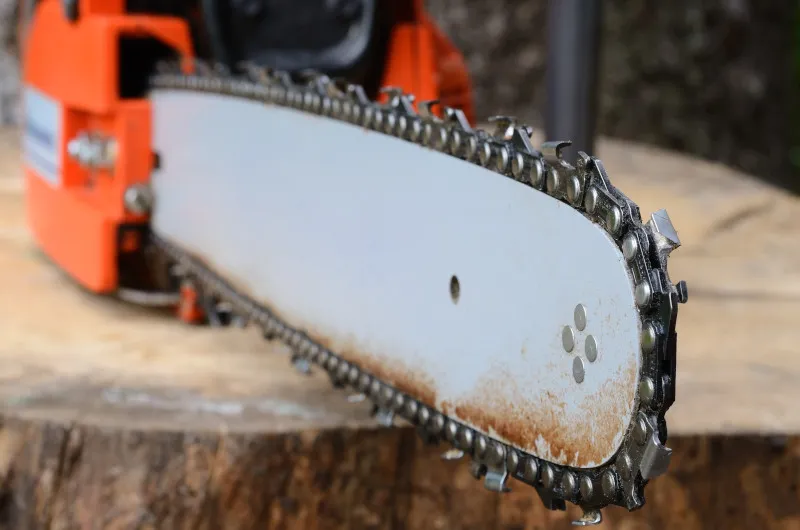
Chainsaws are indispensable tools in forestry, landscaping, and construction, offering versatility and efficiency in cutting through a variety of materials. Central to their functionality is the chainsaw blade, which comes in several types, each designed for specific applications and cutting tasks. Understanding the differences among these blades is essential for both professionals and enthusiasts alike, as the choice of blade can significantly impact performance, safety, and the quality of the cut. From the standard full chisel blades, known for their speed and precision in cutting softwoods, to the semi-chisel variants that excel in durability and safety, the landscape of chainsaw blades is diverse. Specialty blades, such as those designed for carving, milling, or cutting through hard materials, further expand the possibilities of what can be accomplished with a chainsaw. This article aims to explore the various types of chainsaw blades, their unique characteristics, and their optimal applications. By gaining insight into these essential tools, users can make informed decisions, enhancing their operational efficiency and ensuring that they achieve the desired results in their projects. Whether managing a forest, maintaining a property, or engaging in artistic wood carving, the right chainsaw blade is crucial to success.
– Understanding the Versatility of Chainsaw Blades
Chainsaw blades are designed with a range of applications in mind, showcasing their versatility in various cutting scenarios. These blades can be optimized for different tasks such as felling trees, trimming branches, or milling lumber, each requiring specific tooth configurations and cutting geometries. For instance, ripping chainsaws feature a design that allows for efficient longitudinal cuts, making them ideal for milling. Conversely, cross-cut chains are tailored for slicing through wood grain, ensuring smooth and efficient cuts when dealing with fallen trees or firewood preparation.
The adaptability of chainsaw blades extends beyond just their design; blade materials and construction also play crucial roles in performance. High-quality steel and carbide-tipped options can enhance durability and longevity, allowing the blades to retain sharpness longer while cutting through tougher materials. Additionally, the ability to swap out blades depending on the task at hand ensures that operators can achieve optimal results, whether they are engaged in professional forestry work or home landscaping projects. Understanding these nuances enables users to select the appropriate chainsaw blade for their specific needs, ultimately improving efficiency and safety in their cutting endeavors.
Different chainsaw blades serve unique cutting purposes for various tasks and materials.
ensures that operators can achieve optimal results tailored to their specific needs. For example, specialized chainsaw blades equipped with unique sharpening angles and tooth placements excel in softer woods, while heavy-duty blades are better suited for hardwoods or frozen timber. Furthermore, certain blades are constructed specifically for non-wood materials, such as composite materials or even metal, broadening the spectrum of tasks that can be accomplished with a single chainsaw unit.
The selection of a chainsaw blade is critical for achieving not only efficiency but also safety during operation. Blades designed for particular cutting tasks minimize the risk of kickback and other hazards, thereby enhancing the overall user experience. Understanding the characteristics of each blade type allows professionals and hobbyists alike to confidently approach various projects, ensuring that the right blade is used for the right material and cutting method, ultimately leading to superior performance and better results.
– Selecting Chainsaw Blades for Specific Tasks
Optimal performance of a chainsaw hinges on selecting the appropriate blade for the task at hand. Factors such as tooth configuration, gauge, and chain pitch play significant roles in determining how effectively a chainsaw blade can tackle specific materials. For instance, a blade with a low tooth count and larger teeth may provide faster cutting speeds for felling large trees, while a blade with a higher tooth count is ideal for making precise cuts in finer materials like softwood. Additionally, the chain’s kickback characteristics must be considered, particularly for novice users who may require a blade designed to minimize this risk.
Users should also consider the maintenance and sharpening needs associated with different chainsaw blades. Blades intended for heavy-duty use may require more frequent sharpening but can withstand the rigors of tougher tasks. Conversely, blades designed for lighter, more delicate applications may maintain their sharpness longer but could become dull more quickly if subjected to inappropriate cutting conditions. By aligning the chainsaw blade selection with specific project requirements, operators can enhance cutting efficiency, maintain safety, and ultimately achieve superior results in their work.
Choosing the right chainsaw blade enhances efficiency and effectiveness based on your project needs.
understandably may not perform as well under demanding conditions. Selecting a chainsaw blade that aligns with the specific requirements of a project not only improves efficiency but also ensures safety and operational effectiveness. For example, when working on large-scale forestry projects, investing in a robust, heavy-duty blade can expedite cutting tasks and reduce downtime, while a specialized blade for woodworking projects allows for cleaner, smoother finishes.
Furthermore, recognizing the compatibility of the chainsaw blade with the chainsaw model is crucial. Using a blade that fits properly ensures optimal performance and minimizes the risk of accidents or mechanical failures. Ultimately, the thoughtful selection of a chainsaw blade tailored to the intended application can significantly enhance productivity, making the task at hand more manageable and efficient while achieving the desired results.
– Maintenance Tips for Chainsaw Blades
Regular maintenance of chainsaw blades is essential for ensuring longevity and optimal performance. Keeping the blade sharp is crucial; a dull blade not only makes cutting more difficult but also increases the risk of kickback and accidents. Periodically sharpening the chainsaw blade with the appropriate file or sharpening tool will enhance cutting efficiency and reduce wear. Additionally, always check the tension of the chain before use. A properly tensioned chain reduces the likelihood of derailment and ensures smoother operation.
Another critical aspect of maintenance involves cleaning the chainsaw blade after each use. Accumulated sap, dirt, and debris can hinder performance and lead to corrosion. Employing a dedicated cleaning solution or a simple mixture of soap and water can effectively remove these contaminants, while periodic lubrication of the chain promotes fluid movement and prevents rust. Regularly inspecting the chainsaw blade for any signs of damage, such as cracks or bent teeth, allows for timely repairs or replacements, ensuring that the equipment remains safe and efficient for all cutting tasks.
Proper care and maintenance extend the lifespan and performance of your chainsaw blades.
, such as cracks or worn teeth, is also vital for safety and efficiency. Addressing these issues promptly can prevent further damage and maintain the integrity of the blade. Additionally, storing the chainsaw in a dry, safe location when not in use protects the blade from environmental factors that could lead to deterioration. Utilizing a protective cover can also help shield the chainsaw blade from impacts and moisture, further promoting its longevity and effectiveness.
Investing time in the proper care and maintenance of chainsaw blades not only extends their lifespan but also enhances overall performance, making tasks easier and safer. A well-maintained blade exhibits improved cutting precision and requires less effort, thereby reducing operator fatigue. Furthermore, regular upkeep can lead to decreased fuel consumption and prolonged engine life, ultimately saving users time and money in the long run. By prioritizing the health of the chainsaw blade, both professional arborists and casual users can ensure that their equipment remains reliable and efficient throughout its usage.
In conclusion, understanding the various types of chainsaw blades and their specific applications is essential for maximizing efficiency and safety in cutting tasks. From the aggressive tooth design of a ripping chain, ideal for milling lumber, to the precision of a skip-tooth chain, perfect for cutting through softer woods, each blade serves a distinct purpose. Additionally, factors such as tooth configuration, gauge, and pitch must be considered to ensure optimal performance for your specific needs. By selecting the right chainsaw blade for the job, users can enhance their productivity while achieving cleaner, more precise cuts. Ultimately, investing time in understanding these differences not only improves the quality of work but also extends the lifespan of your chainsaw.
