
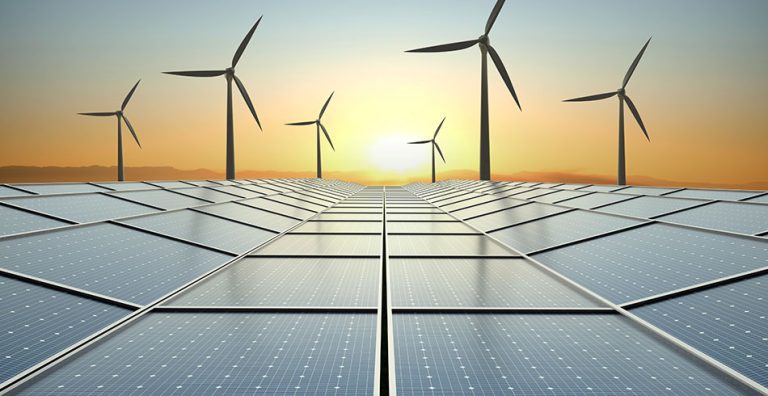
Renewable energy has moved far beyond being a niche environmental movement. It is now one of the most influential economic and industrial transformations of the modern era. Governments, corporations, investors, and consumers are increasingly shifting toward cleaner energy systems as concerns over climate change, energy security, and long-term sustainability continue to grow.
At the same time, renewable energy industries are creating jobs, attracting investment, accelerating technological innovation, and reshaping global economic development. What was once viewed primarily as an environmental responsibility is now also recognized as a major economic opportunity.
Solar power, wind energy, hydropower, bioenergy, geothermal systems, and emerging clean technologies are helping countries reduce dependence on fossil fuels while building more resilient and diversified economies. The renewable energy sector has become a driving force behind industrial modernization and sustainable growth.
Understanding Renewable Energy Industries
Renewable energy industries focus on energy sources that naturally replenish over time and produce significantly lower environmental impact than fossil fuels.
Major renewable energy sectors include:
- Solar energy
- Wind power
- Hydroelectric energy
- Geothermal energy
- Biomass and biofuels
- Green hydrogen
- Energy storage technologies
These industries involve far more than electricity generation alone. They also include:
- Manufacturing
- Construction
- Infrastructure development
- Grid modernization
- Energy storage systems
- Research and development
- Engineering services
- Software and monitoring technologies
The renewable energy economy supports a broad ecosystem of industries connected to energy production and sustainability.
Renewable Energy Is Becoming a Major Economic Engine
One of the most significant developments in recent years is the growing economic influence of renewable energy industries.
Clean energy investments now represent a major portion of global infrastructure spending. Governments and private investors are allocating billions toward renewable projects, transmission systems, battery technology, and decarbonization initiatives.
Several factors are driving this growth:
- Rising energy demand
- Climate policy goals
- Falling renewable technology costs
- Corporate sustainability commitments
- Energy security concerns
- Technological innovation
As renewable energy capacity expands, the sector continues generating economic activity across multiple industries.
Job Creation Across Multiple Sectors
Renewable energy industries create employment opportunities at nearly every skill level.
The sector supports jobs in:
- Manufacturing
- Engineering
- Construction
- Installation
- Maintenance
- Research
- Software development
- Project management
Solar and wind energy projects alone require large workforces for equipment production, infrastructure installation, and ongoing operations.
Unlike some traditional fossil fuel industries that concentrate employment in specific regions, renewable energy development often spreads jobs across wider geographic areas.
Local economies benefit through:
- Construction spending
- Supply chain contracts
- Tax revenue
- Workforce development
- Small business growth
The transition toward clean energy is increasingly viewed as both an environmental and labor market opportunity.
Solar Energy Continues Expanding Rapidly
Solar power has become one of the fastest-growing renewable energy sectors worldwide.
Several factors contribute to solar expansion:
- Declining panel costs
- Improved efficiency
- Government incentives
- Residential demand
- Commercial adoption
- Utility-scale investments
Solar energy systems are now deployed across:
- Homes
- Businesses
- Industrial facilities
- Large-scale solar farms
- Public infrastructure
The flexibility of solar technology allows both centralized and decentralized energy generation.
Residential solar installations also contribute to consumer energy independence by reducing reliance on traditional utility systems.
Wind Energy Supports Industrial Growth
Wind energy has evolved into a large-scale industrial sector supporting economic activity across manufacturing, logistics, engineering, and infrastructure development.
Modern wind energy projects require:
- Turbine manufacturing
- Steel production
- Transportation systems
- Grid integration
- Offshore construction expertise
- Long-term maintenance operations
Offshore wind development is creating additional economic opportunities in coastal regions through port upgrades and maritime infrastructure investment.
As turbine technology improves, wind energy efficiency continues increasing while operational costs decline.
Renewable Energy Improves Energy Security
Energy security has become a major concern for governments worldwide.
Heavy dependence on imported fossil fuels can expose economies to:
- Supply disruptions
- Geopolitical instability
- Price volatility
- Trade imbalances
Renewable energy helps reduce these vulnerabilities by diversifying domestic energy production.
Countries investing heavily in renewable infrastructure often gain greater control over long-term energy stability.
Distributed energy systems such as solar and wind can also improve resilience during natural disasters or infrastructure disruptions.
Energy independence has become an important strategic motivation behind clean energy expansion.
Environmental Responsibility Is Driving Policy Change
Environmental concerns remain one of the strongest drivers behind renewable energy growth.
Fossil fuel combustion contributes significantly to:
- Greenhouse gas emissions
- Air pollution
- Climate change
- Environmental degradation
Renewable energy technologies produce far lower emissions during operation compared to coal, oil, and natural gas systems.
Governments increasingly implement policies designed to encourage cleaner energy adoption, including:
- Renewable energy targets
- Carbon reduction goals
- Tax incentives
- Infrastructure grants
- Emissions regulations
These policies accelerate investment while supporting long-term environmental sustainability goals.
Corporate Sustainability Goals Are Accelerating Adoption
Businesses are playing a major role in renewable energy expansion.
Large corporations increasingly commit to:
- Net-zero emissions goals
- Renewable electricity sourcing
- Sustainable supply chains
- Carbon reduction strategies
Many companies now purchase renewable energy directly through power purchase agreements or on-site generation systems.
Corporate sustainability initiatives influence renewable growth across industries such as:
- Technology
- Manufacturing
- Retail
- Logistics
- Real estate
Sustainability has become both a branding strategy and an operational priority for many organizations.
Energy Storage Is Transforming Renewable Reliability
One longstanding challenge involving renewable energy is intermittency.
Solar and wind systems depend on weather conditions and time of day. Energy storage technologies help address these limitations.
Battery systems now allow excess renewable energy to be stored and used later when production decreases.
Advancements in energy storage are improving:
- Grid stability
- Backup power capacity
- Renewable reliability
- Peak demand management
Battery manufacturing itself has become a rapidly growing industry connected to renewable energy expansion.
The combination of renewable generation and storage is reshaping how electricity systems operate.
Technological Innovation Continues Lowering Costs
Technology improvements have played a major role in renewable energy growth.
Advancements in:
- Solar panel efficiency
- Wind turbine design
- Smart grid systems
- Battery chemistry
- Artificial intelligence
- Energy management software
continue improving performance while reducing costs.
As renewable technologies become more affordable, adoption rates increase further.
This creates a reinforcing cycle where higher demand drives additional innovation and economies of scale.
Renewable energy is now cost-competitive with traditional energy sources in many regions.
Rural Communities Often Benefit Economically
Renewable energy projects frequently create economic opportunities in rural areas.
Wind farms and solar developments may provide:
- Land lease income
- Local tax revenue
- Construction employment
- Infrastructure investment
Farmers and landowners sometimes generate stable long-term income by leasing land for renewable projects.
Local governments may use renewable-related tax revenue to support schools, roads, and community services.
In some regions, clean energy development has become an important tool for rural economic revitalization.
Challenges Still Exist in Renewable Expansion
Despite strong growth, renewable energy industries still face important challenges.
Infrastructure Limitations
Electrical grids require modernization to support large-scale renewable integration.
Supply Chain Pressures
Demand for critical minerals and manufacturing components continues increasing.
Land Use Concerns
Large renewable projects sometimes create environmental or community disputes.
Energy Storage Costs
Battery systems remain expensive in some markets.
Workforce Shortages
Rapid expansion creates demand for skilled labor across engineering and technical fields.
Addressing these challenges will require continued investment, planning, and technological development.
Governments Play a Central Role
Public policy strongly influences renewable energy adoption.
Governments support industry growth through:
- Research funding
- Tax incentives
- Renewable standards
- Infrastructure investment
- Clean energy subsidies
- Workforce training programs
Long-term policy stability is especially important because renewable infrastructure projects often require large upfront investment.
Consistent regulatory support helps attract private capital and accelerate market growth.
Renewable Industries Encourage Global Innovation
Competition within renewable energy sectors is accelerating technological innovation worldwide.
Countries investing heavily in clean energy research often gain advantages in:
- Manufacturing leadership
- Export markets
- Intellectual property
- Industrial competitiveness
Renewable energy is becoming a strategic economic sector similar to technology and advanced manufacturing industries.
Nations that lead renewable innovation may strengthen long-term economic positioning in the global economy.
Consumer Demand Is Influencing Energy Markets
Consumers increasingly prioritize sustainability when making purchasing decisions.
Many households now seek:
- Renewable electricity plans
- Solar installations
- Electric vehicles
- Energy-efficient homes
This demand influences utility providers, manufacturers, and policymakers.
Younger generations in particular often place higher value on environmental responsibility, pushing businesses toward cleaner operational practices.
Consumer preferences are becoming an important market force accelerating renewable adoption.
The Future of Renewable Energy Industries
Renewable energy industries are expected to continue expanding over the coming decades.
Several trends will likely shape future growth:
Increased Electrification
Transportation, heating, and industrial systems are becoming more electric-powered.
Grid Modernization
Smart grids and digital infrastructure will improve energy management.
Green Hydrogen Development
Hydrogen technologies may support industrial decarbonization.
Advanced Storage Systems
New battery technologies could improve energy reliability significantly.
International Investment Growth
Global clean energy financing continues increasing rapidly.
Renewable energy is gradually shifting from an alternative energy source to a central component of modern economic infrastructure.
Conclusion
Renewable energy industries are playing an increasingly important role in both economic development and environmental responsibility. What began primarily as an environmental movement has evolved into a major industrial transformation influencing manufacturing, infrastructure, technology, employment, and global investment.
Solar, wind, hydroelectric, geothermal, and energy storage sectors are creating jobs, supporting innovation, improving energy security, and helping reduce long-term environmental impact.
While challenges involving infrastructure, supply chains, and energy storage remain, renewable industries continue gaining momentum as technology improves and costs decline.
The transition toward cleaner energy systems is no longer driven solely by environmental concerns. It is also being shaped by economic opportunity, industrial competitiveness, and the growing need for sustainable long-term growth.
FAQs
What are renewable energy industries?
Renewable energy industries focus on energy sources that naturally replenish, including solar, wind, hydroelectric, geothermal, and biomass energy.
Why is renewable energy important for the economy?
Renewable energy supports job creation, infrastructure investment, technological innovation, and long-term energy security.
How does renewable energy help the environment?
Renewable energy produces significantly lower greenhouse gas emissions and reduces dependence on fossil fuels.
What industries benefit from renewable energy growth?
Manufacturing, construction, engineering, technology, transportation, and energy storage sectors all benefit from renewable expansion.
Why is energy storage important for renewable power?
Energy storage systems help manage fluctuations in solar and wind production by storing excess electricity for later use.
What challenges do renewable energy industries face?
Challenges include infrastructure upgrades, supply chain demands, energy storage costs, workforce shortages, and regulatory complexity.
How do renewable energy projects support local communities?
Renewable projects often generate local jobs, tax revenue, infrastructure investment, and long-term lease income for landowners.
