
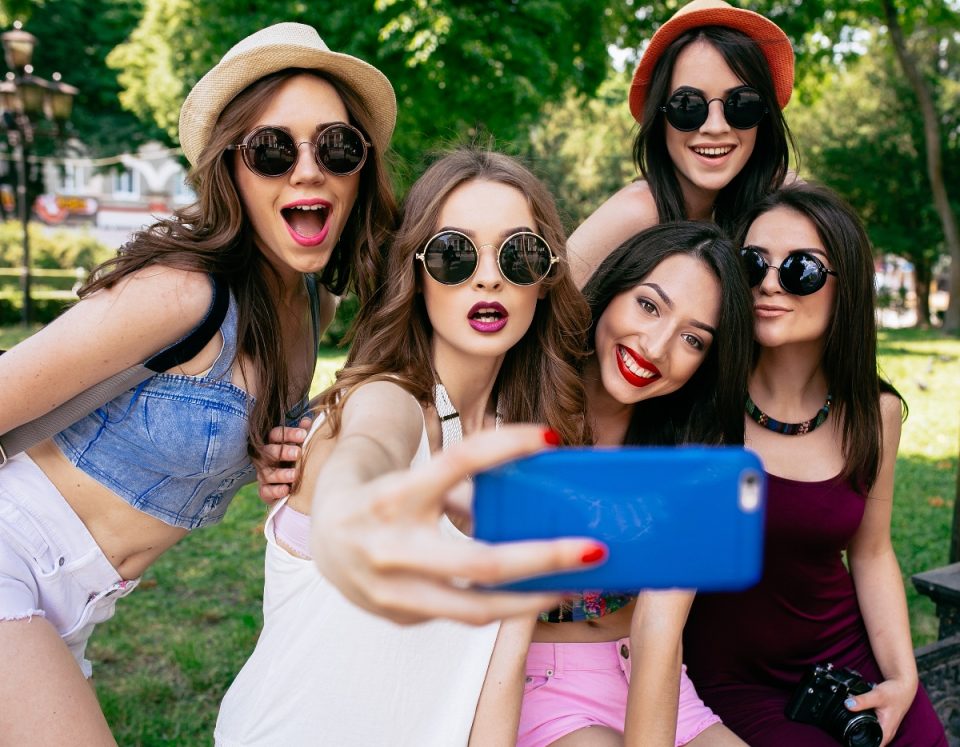
In today’s hyperconnected digital world, influencers gone wild has become a buzzphrase—summarizing every sensational scandal, controversial stunt, or compliance lapse that spreads like wildfire across social feeds. These headline-worthy moments can mean huge viewership, but they also carry real consequences: eroded trust, brand backlash, and sometimes even legal trouble. This article breaks down why this happens, how the system enables it, and what creators, brands, and audiences can do to rein it in.
What Does “Influencers Gone Wild” Mean?
At its core, the phrase describes instances where creators push boundaries—either intentionally or inadvertently—crossing ethical, safety, or regulatory lines. Common scenarios include:
-
Undisclosed endorsements or hidden incentives that deceive followers
-
Dangerous stunts or pranks shared for shock value
-
Misinformation on sensitive topics like health or finance
-
Over-the-top lifestyle portrayals that clash with social contexts or sensitivities
Across all cases, the root problem is the same: a breakdown in trust between creators and their audiences, amplified by public backlash and media scrutiny.
Why Do These Situations Keep Happening?
1. Algorithmic Push Toward Extremes
Social platforms reward high engagement, even if driven by outrage or controversy. The result? Creators may feel tempted to deliver ever-more dramatic or boundary-pushing content, even if it flirts with ethics or safety.
2. Fragile Parasocial Connections
Many viewers develop one-way emotional bonds with influencers—feeling close, even if the relationship is superficial. When creators misstep, followers feel personally betrayed, intensifying the backlash.
3. Blurred Lines Between Personal and Paid
Without overt disclosures, followers can’t distinguish genuine opinions from sponsored content. This confusion is where many “gone wild” controversies begin.
4. Real-Time Content Doesn’t Leave Room for Safety Nets
Live streams and spontaneous videos spread instantly—often before creators or teams can pause and reflect. That lack of delay increases the risk of irreversible misjudgments.
The Rules: What Content Must Meet
Despite the wild rumors, there’s a regulatory safety net:
-
Transparency is mandatory. Any sponsored content, paid collaboration, or gifted product must be clearly and visibly disclosed. Phrases like “ad,” “sponsored,” or “paid partnership” should be upfront, not buried.
-
All platforms count. Disclosure must be present in stories, shorts, livestreams, podcasts, and posts alike.
-
Sensitive verticals need extra scrutiny. Influencers in health, finance, or legal niches are expected to reveal relevant credentials and act responsibly.
In India, the expectation for clear labels and verified credentials is especially strong, particularly in high-stakes categories. The trend is clear: more transparency, not less.
Learning from Scandals: Cases and Key Takeaways
A. Festival Fiasco Fueled by Hidden Hype
When a luxury event imploded, the spotlight turned to influencers who promoted it without clarifying payments or perks. The fallout? Class-action suits, subpoenas, and massive reputational damage.
Lessons Learned:
-
Creators should always ask for clarity on deliverables and disclosures.
-
Brands must stipulate compliance in contracts and audit content before it goes live.
-
Transparency isn’t a formality—it’s a protective measure.
B. Shock Content Gone Horribly Wrong
A vlogger filming at a sensitive location associated with suicide caused global outrage—viewers found the content exploiting pain, and platforms responded with bans.
Lessons Learned:
-
Sensationalism can cross moral boundaries. We should pause before publishing anything potentially exploitative.
-
Always consider the social and emotional impact of content.
C. Misleading Health or Finance Advice
Some creators—without relevant qualifications—promote supplements or trading schemes that mislead audiences. Bad outcomes often emerge.
Lessons Learned:
-
Creators must either have proper credentials or clearly state their limitations.
-
Brands collaborating in these verticals should validate any claims before sharing.
D. Clashes Between Overconsumption and Real Life
When creators brag about lavish lifestyles during times of crisis or austerity, the disconnect can feel tone-deaf and spark backlash.
Lessons Learned:
-
Sensitivity and cultural awareness should guide content decisions.
-
Creators need to align messaging with broader social contexts.
Anatomy of the Problem: Why It Happens and How to Fix It
| Root Cause | Risk It Introduces | Prevention Strategy |
|---|---|---|
| Algorithmic Pressure | Escalating sensationalism | Set creative limits; prioritize sustainable growth over virality |
| Weak Parasocial Support | Intense backlash when trust erodes | Cultivate authentic audience relationships grounded in honesty |
| Poor Disclosure Practices | Misleading the audience | Use clear labeling; make sponsorships visible and upfront |
| Real-Time Speeds | Missteps become permanent public records | Implement internal review processes, even for spontaneous content |
| Shallow Privilege Disconnect | Perceptions of tone-deafness in tough times | Reflect on timing and context before posting |
Practical Playbooks: What Each Group Can Do
For Creators
-
Use bold, upfront disclosures in every piece of content.
-
Build a standards checklist: Is content legal? Safe? Sensitive to current events?
-
Take time to reflect—even for streaming or trending moments.
-
Keep records of all collaborations and clearances.
-
Be ready with a crisis response plan (like taking content down, or posting an apology) if things go sideways.
For Brands & Agencies
-
Embed disclosure and ethics into contracts and briefs.
-
Pre-screen content for potential risks or compliance issues.
-
Be transparent in campaigns and align influencer messaging with brand values.
-
React swiftly and thoughtfully when controversy arises—visible responsibility goes far.
For Viewers
-
Question ambiguous posts—does “gifted by” or “thanks to” hide something?
-
Hold creators accountable—feedback matters.
-
Demand transparency and integrity—your trust is what fuels the influencer culture.
FAQ: Your Questions, Answered
1. What do people mean when they say “influencers gone wild”?
It generally refers to controversial influencer behavior—like shock stunts, misleading claims, or undisclosed endorsements—that breaks trust and sparks public backlash.
2. Why do influencers sometimes act irresponsibly?
Algorithms reward drama, and creators under pressure may prioritize quick growth or attention over ethics and safety.
3. Are influencers breaking any rules when “gone wild”?
Often, yes. Especially if they fail to disclose sponsorships clearly, or share dangerous or misleading content—both of which may breach regulatory standards.
4. Can brands actually get into trouble for their creators’ missteps?
Absolutely. Brands may face reputational damage, contract disputes, or even legal liability if influencer content contracts include compliance clauses.
5. How should creators protect trust and avoid wild moments?
By always disclosing paid partnerships clearly, staying sensitive to context, thinking through real-time content impacts, and having a response plan ready.
6. Does all shocking content violate norms?
Not necessarily. But creators must weigh shock value against ethics, safety, and how their audience—and platforms—will respond.
7. What can followers do about “gone wild” influencers?
Raise questions, request clarification, support creators who are transparent, and disengage with those who repeatedly mislead or offend.
