
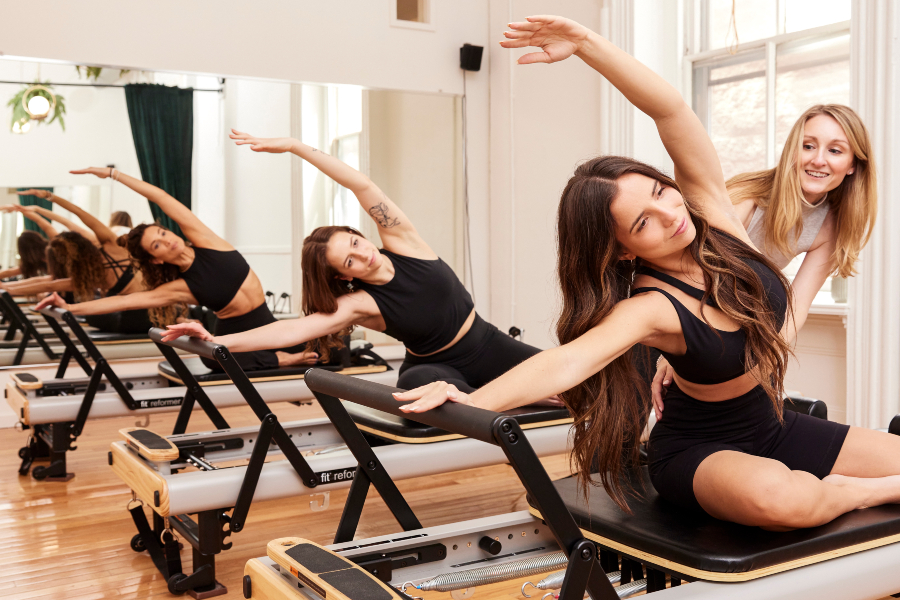
In recent years, Singapore has witnessed a shift in the way people approach fitness. Large gyms still have their place, but boutique fitness studios are taking centre stage, offering specialised experiences that blend personalisation, community, and innovation. Among the fastest-growing offerings is reformer pilates Singapore, which has moved from a niche practice to a central player in the city’s wellness economy. This trend is reshaping not just how individuals exercise but also how businesses invest in health, lifestyle, and consumer experiences.
Understanding the Boutique Fitness Movement
Boutique fitness studios are smaller, specialised spaces that focus on one or two training styles. Instead of offering a one-size-fits-all solution, they provide curated classes designed to meet specific needs such as strength, mobility, mindfulness, or rehabilitation.
The boutique concept thrives on three pillars:
-
Personalisation – Classes are often smaller, allowing instructors to tailor movements to individual participants.
-
Community – Participants feel part of a close-knit group, unlike the anonymity of large gyms.
-
Experience-driven design – Studios emphasise ambience, service, and quality rather than sheer scale.
This business model appeals to Singaporeans seeking premium wellness experiences that fit their fast-paced lifestyle.
Why Reformer Pilates is Leading the Boutique Studio Trend
Reformer Pilates is particularly suited to boutique fitness for several reasons.
Specialised Equipment
The reformer machine is unique, requiring guided instruction and dedicated space. This naturally aligns with smaller, intimate studio settings.
Personalised Coaching
Because classes are limited in size, participants receive more hands-on correction and customisation, which enhances results.
Versatile Benefits
Reformer Pilates appeals to multiple demographics – athletes, office workers, seniors, and even individuals in rehabilitation. This diversity broadens its market base.
Premium Positioning
The combination of specialised equipment, professional instructors, and holistic benefits positions reformer Pilates as a premium service within the wellness economy.
The Wellness Economy in Singapore: A Growing Market
Singapore’s wellness industry is expanding rapidly, fuelled by rising disposable incomes, urban lifestyles, and an emphasis on health. According to market insights, more Singaporeans are willing to invest in boutique fitness experiences that provide value beyond exercise.
Key drivers include:
-
Ageing population – Seniors want mobility and independence.
-
Corporate wellness initiatives – Employers are investing in health to reduce medical costs and improve productivity.
-
Lifestyle aspirations – Fitness has become part of personal identity and social culture.
-
Healthcare integration – Studios increasingly work alongside physiotherapists and health professionals.
Reformer Pilates fits squarely into this landscape, offering functional benefits while appealing to aspirational consumers seeking more than traditional workouts.
How Reformer Pilates Contributes to the Business of Wellness
1. Diversification of Revenue Streams
Studios offering reformer Pilates benefit from multiple income sources: class packages, private training, corporate wellness partnerships, and even merchandise like non-slip socks and Pilates props.
2. Customer Loyalty and Retention
Because reformer Pilates delivers visible results and fosters community, studios enjoy higher retention rates compared to traditional gyms. Participants see value in consistent attendance.
3. Higher Profit Margins
Boutique classes, particularly those involving specialised equipment, command premium pricing. This translates into sustainable revenue for studios.
4. Synergy with Healthcare
Reformer Pilates bridges fitness and rehabilitation, allowing studios to partner with healthcare providers. This creates referral pipelines and a steady customer base.
5. Lifestyle Branding
Studios position themselves as more than exercise spaces. They become lifestyle brands, appealing to consumers who identify with wellness, balance, and mindful living.
Case Examples of Boutique Fitness in Singapore
-
A boutique studio in the Central Business District introduced lunchtime reformer Pilates classes, attracting busy professionals seeking posture correction and stress relief.
-
A residential neighbourhood studio targeted active seniors, building a loyal base of older adults who valued mobility training.
-
Several studios introduced hybrid packages, combining reformer Pilates with mindfulness workshops, appealing to younger demographics seeking holistic wellness.
These cases demonstrate how reformer Pilates shapes not only physical health but also the business strategies of boutique studios.
Consumer Behaviour: Why Singaporeans Choose Boutique Fitness
The decision to invest in boutique fitness is shaped by cultural and social factors unique to Singapore.
-
Status and lifestyle identity – Choosing boutique fitness reflects a preference for quality and exclusivity.
-
Convenience – Smaller studios are often strategically located in residential areas or near offices.
-
Community connection – Many Singaporeans enjoy the social aspect of shared fitness journeys.
-
Perceived value – Participants believe specialised classes provide better results compared to general gym memberships.
The Role of Corporate Wellness in Growth
Companies in Singapore increasingly include wellness in employee benefits. Boutique studios offering reformer Pilates have tapped into this trend by providing corporate packages. Employers benefit from reduced healthcare costs, while employees enjoy improved posture, reduced stress, and higher productivity.
This integration between business and wellness creates a win-win scenario that further cements reformer Pilates’ role in the economy.
Challenges Facing Boutique Studios
While the rise of boutique fitness is impressive, challenges remain.
-
High operating costs – Rent in prime Singapore locations can be prohibitive.
-
Competition – As more studios open, differentiation becomes key.
-
Consumer retention – Maintaining loyalty requires consistent innovation and strong service quality.
-
Scaling issues – Boutique studios often struggle to expand without losing their personal touch.
Reformer Pilates studios that successfully navigate these challenges stand to become long-term leaders in the wellness space.
The Long-Term Outlook for Reformer Pilates in Singapore
The future looks bright for reformer Pilates. Trends suggest:
-
Increasing integration with digital tools such as wearable technology and virtual classes.
-
Growing demand from seniors seeking longevity and active ageing.
-
Expansion into corporate wellness programmes as companies prioritise staff health.
-
Potential franchising opportunities as successful studios seek to expand island-wide.
These opportunities suggest that reformer Pilates will remain a cornerstone of boutique fitness in Singapore’s evolving wellness economy.
Choosing the Right Studio for Boutique Pilates Experiences
For consumers seeking reformer Pilates, selecting the right studio is crucial. Factors include:
-
Certified instructors with strong track records.
-
Small class sizes that ensure personal attention.
-
A welcoming community culture that encourages consistency.
-
Strategic location to fit into daily routines.
Studios like Yoga Edition exemplify how boutique environments can deliver premium reformer Pilates experiences while fostering a sense of belonging.
Real-Life Impact: Stories from the Market
-
A 40-year-old banking professional found reformer Pilates not only improved posture but also created a supportive community that became part of her lifestyle.
-
A tech entrepreneur integrated Pilates into his wellness routine, finding that improved flexibility and reduced back pain enhanced his work performance.
-
A group of colleagues attending boutique reformer classes together discovered greater team bonding, translating into improved workplace collaboration.
FAQs About Reformer Pilates and the Wellness Economy
Q. Why is reformer Pilates considered a premium boutique fitness option?
Because it involves specialised equipment, certified instruction, and small group settings, positioning it as a premium offering compared to large gyms.
Q. How does reformer Pilates contribute to Singapore’s economy?
It drives revenue for boutique studios, creates jobs for instructors, and integrates with healthcare and corporate wellness, making it part of a broader wellness ecosystem.
Q. Are boutique reformer Pilates classes only for affluent professionals?
No. While premium-priced, many studios offer packages and off-peak sessions that make classes more accessible.
Q. Can reformer Pilates studios expand successfully in Singapore?
Yes, but they need to balance growth with maintaining the personalised experience that defines boutique fitness.
Q. What role will technology play in the future of boutique reformer Pilates?
Wearables, apps, and hybrid classes will likely enhance personalisation and accessibility while keeping the boutique experience intact.
