
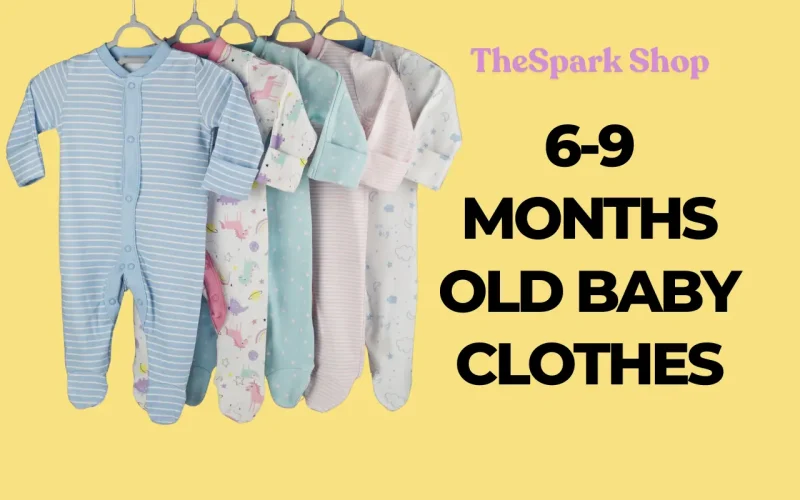
Finding the right the spark shop 6-9 months old baby clothes can feel like a puzzle—your baby is suddenly rolling, crawling, and growing faster than you can fold laundry. This guide compiles what other parent-focused articles consistently highlight (fit, fabrics, safety, care, and value) and applies it specifically to the 6–9 month stage, so you can make choices that are comfortable, safe, and genuinely practical.
What “6–9 Months” Actually Means
Clothing labels for 6–9 months are shorthand for a typical growth band—not a guarantee of perfect fit. Most widely used charts for this range cluster around:
- Height: ~68–74 cm
- Weight: ~8–10 kg
Treat these as guides, not rules. Babies grow in spurts, and two 8-month-olds can have very different proportions. Always prioritize your baby’s current measurements over the tag.
How to measure quickly at home (no drama)
- Height: Lay baby on a flat surface; measure from head to heel.
- Chest: Tape under armpits around the fullest part.
- Waist/Hips: Measure at the narrowest waist and the widest hip point.
- Foot length (for booties/footies): Heel to longest toe while standing or gently pressed against a wall.
Pro tip: If you cloth-diaper, size up for rompers and pants to fit the extra bulk comfortably.
A Quick Word About “The Spark Shop” Listings
You’ll see plenty of pages and blog posts online targeting the spark shop 6-9 months old baby clothes. Some TheSparkShop pages display typical e-commerce elements—star ratings, “sold” counts, and low teaser prices—along with header mentions like free shipping and COD. However, you may also encounter a prominent site-wide notice stating the storefront is for testing/demonstration and that orders are not processed.
Why this matters for you:
- Treat such listings as informational—helpful for style ideas, sizing language, and outfit planning.
- Before purchasing anywhere, verify that the seller actually fulfils orders, confirm returns/exchanges, and check customer support details that function in real life (not just placeholder text).
This guide uses widely accepted babywear best practices so your decisions hold up even if a given product page is a demo or a third-party write-up of The Spark Shop.
The 6–9 Month Wardrobe: What Works Best
At this stage, babies are mobile and messy. Prioritize softness, stretch, and easy changes.
Everyday essentials
- Bodysuits/Onesies: Envelope necklines or side-snap kimono styles make on/off easier after blowouts.
- Rompers/Jumpsuits: Look for two-way zippers or full-length snaps for faster diaper access.
- Tees & Pull-on Pants: Wide, soft waistbands that don’t dig into the tummy.
- Footed Sleepers: Non-slip dots help when they start pulling up to stand.
- Layering basics: Lightweight cardigan or zip hoodie; sun hat for daytime, beanie for cool mornings.
Features that genuinely help
- Two-way zipper with chin guard to avoid pinches.
- Nickel-free snaps and flat seams for sensitive skin.
- Tagless labels to prevent irritation at the neck.
- Stretchy rib knit cuffs so sleeves don’t fall over busy hands.
- Reinforced knees on crawlers (or a thicker knit) if you want extra durability.
Fabrics: What to Choose (and When)
Parents’ go-to fabrics at this age are cotton and cotton-rich blends thanks to breathability and softness.
- 100% Cotton (interlock, jersey, rib): Everyday staple; breathable and soft. Rib cotton adds stretch without spandex.
- Cotton + Elastane (2–5%): More give, keeps shape, great for rompers and leggings.
- Bamboo-viscose blends: Very soft and drapey; runs warm-weather cool but can be delicate—follow care labels closely.
- Fleece/Brushed knits: Cozy for cool evenings—watch warmth indoors to prevent overheating.
- Polyester microfleece: Lightweight warmth; dries quickly after wash days.
Skin-sensitivity tip: If your baby has sensitive skin, start with undyed or light-print cottons and fragrance-free detergents. Rinse thoroughly to reduce residue.
Safety First: Sleepwear, Snug-Fit Labels & Drawstrings
Sleep is where safety rules matter most.
- For sizes around 9 months and above, U.S. guidance widely referenced by babywear brands requires sleepwear to be either flame-resistant or snug-fitting. That’s why you often see bright tags stating things like “WEAR SNUG-FITTING, NOT FLAME RESISTANT.”
- Snug-fit sleepers reduce air gaps that can feed a flame; loose-fit styles marketed as sleepwear are typically treated to meet flammability standards.
Practical takeaways for parents:
- Prefer snug-fit sleepers for 9M-labeled garments; avoid loose, flowy nightwear unless explicitly compliant.
- No drawstrings or long ties on baby garments—these can snag or pose a strangulation risk.
- Check for secure snaps, smooth zipper garages, and non-scratchy necklines.
- Inspect items after washing: loose buttons, protruding threads, or sharp edges on snaps should be fixed or the item retired.
Sizing Confidence: A Mini Fit-Checklist
Use this quick pass when choosing the spark shop 6-9 months old baby clothes:
- Torso length: Bodysuit should close without pulling; no gapping at the leg openings.
- Sleeves: Cuffs sit at the wrist; roll once if slightly long—don’t size down if chest/torso fits.
- Rise: Rompers/pants should cover the diaper without riding low.
- Mobility test: Baby can crawl or kick freely with no tightness at knees or shoulders.
- Shrink buffer: Expect ~3–5% shrink on cotton; if in doubt, size up and wash cold.
Seasonal Capsules for Indian Weather (6–9 Months)
Warm months / monsoon
- Day: Short-sleeve bodysuits + lightweight pants/shorts.
- Evening AC: Add a thin cardigan or lightweight footed sleeper.
- Outdoors: Wide-brim hat, breathable fabrics. Quick-dry rompers help on humid days.
Cooler months
- Base: Cotton bodysuit.
- Layer: Knit pullover or zip hoodie.
- Bottoms: Joggers/leggings with socks or footed sleepers.
- Nights: Medium-weight sleeper; avoid overheating—use a room thermometer and sleep sack tog suited to temperature.
Building a Smart 10-Piece Closet (6–9 Months)
- 4 bodysuits (mix short/long sleeve)
- 2 rompers (two-way zips)
- 2 footed sleepers (snug-fit for nights)
- 1 lightweight layer (cardigan/hoodie)
- 1 pull-on pant (soft waistband)
Add socks, bibs, and a sun hat. This compact capsule manages laundry every 2–3 days without overbuying.
Reading Listings Like a Pro
When browsing the spark shop 6-9 months old baby clothes, scan each product page for:
- Clear size band (e.g., 6–9M) plus height/weight guidance in cm/kg.
- Fabric breakdown (e.g., 95% cotton, 5% elastane).
- Care label (machine wash cold, gentle cycle).
- Fastener details (two-way zip, nickel-free snaps).
- Authentic reviews (specific pros/cons, real sizing notes).
- Operational policies (real return/exchange windows, working support channels).
If a page looks generic (stock photos, placeholder reviews, unrealistic pricing), treat it as a style reference and buy only from a storefront that clearly fulfils orders and supports returns.
Care & Laundry: Keep Clothes Softer, Longer
- Wash before first wear to remove finishes and dust.
- Cold water, gentle cycle to reduce shrink and fading.
- Fragrance-free, dye-free detergent if skin is sensitive.
- Skip fabric softeners on sleepwear—can affect flame resistance and leave residues.
- Low-heat tumble or air-dry to preserve shape and prevent pilling.
- Close zips/snaps before washing to protect fabric.
- Stain triage: Cold-rinse protein stains (milk/spit-up) first; treat oil-based stains with a small amount of liquid detergent before wash.
Budget & Value Tips (Without Compromising Comfort)
- Multipacks for bodysuits and sleepers save money and simplify laundry.
- Neutral palettes mix and match across outfits, cutting total pieces needed.
- Size-up strategy: If between sizes, choose the larger and cuff sleeves/ankles.
- Focus spend on items with the highest wear (sleepers, rompers); keep “special occasion” outfits minimal.
Example “Fit Day” Routine (Try This Once)
- Measure baby and note height/weight.
- Pull out all current 3–6M pieces; test snaps/torso length.
- Keep what fits with room to move; donate or store the tight batch.
- Make a short list to fill gaps (e.g., 1 more sleeper, 2 bodysuits).
- When shopping the spark shop 6-9 months old baby clothes, match each add-on to your list—avoid impulse duplicates.
Common Mistakes to Avoid
- Buying just by age without checking measurements.
- Ignoring diaper type (disposable vs cloth affects fit).
- Choosing scratchy trims (sequins/rough embroidery).
- Over-layering at night (overheating risks).
- Relying on one listing without confirming that the store actually fulfils orders.
Quick Checklist (Pin This)
- Snug-fit sleeper for nightwear labeled 9M.
- Two-way zips or full-length snaps.
- Breathable cotton or cotton-rich knits.
- No drawstrings; soft waistbands.
- Tagless labels; flat seams.
- Cold wash; low-heat dry.
- Size based on measurements, not just age.
FAQs
1) What size should I pick if my 8-month-old is 72 cm and 9.2 kg?
You’re squarely in the 6–9M band. If you prefer longer wear or use cloth diapers, size up to the next band for rompers/pants. For sleepers meant to be snug, stay in 6–9M if the torso and sleeves fit without pulling.
2) Are two-way zippers worth it on 6–9M rompers?
Yes. They speed up nighttime changes and minimize undressing in cool rooms. Look for a zipper garage at the chin to avoid skin irritation.
3) Which fabrics are best for hot, humid afternoons?
Light cotton jersey or rib knits with a touch of elastane. They breathe well and recover shape after crawling. Bamboo-viscose blends are also popular for softness; handle gently and avoid high heat when drying.
4) How many outfits do I need for daycare at this age?
Plan at least two changes per day on-site. A weekly rotation might be 5–6 bodysuits, 3 rompers, 2–3 sleepers, and a layer piece—adjust up if laundry isn’t daily.
5) Do I need flame-resistant sleepwear?
For garments labeled around 9 months, brands typically follow rules that require either flame-resistant fabric or snug-fit design. Most parents choose snug-fit cotton sleepers and follow the label’s safety instructions.
6) Are decorative ties or hood cords safe on baby clothes?
Avoid them. Drawstrings or long cords can snag and pose hazards. Choose clean finishes with elasticized edges or snaps instead.
7) I saw very low prices on a listing—red flag or good deal?
If a price looks unrealistic and the page includes generic reviews or demo-style text, treat it as a reference page only. Buy from sellers that clearly accept orders, display working contact/returns info, and provide specific fabric and care details.
Use this guide as your baseline when evaluating the spark shop 6-9 months old baby clothes anywhere online. Focus on fit, fabric, and safety tags—and you’ll build a comfy, hard-working mini wardrobe your little mover will love.
